
Power That Continues When the Grid Fails
Generator Hookup and Transfer Switch Installation in Center Moriches for homes preparing for storm-related outages and utility failures
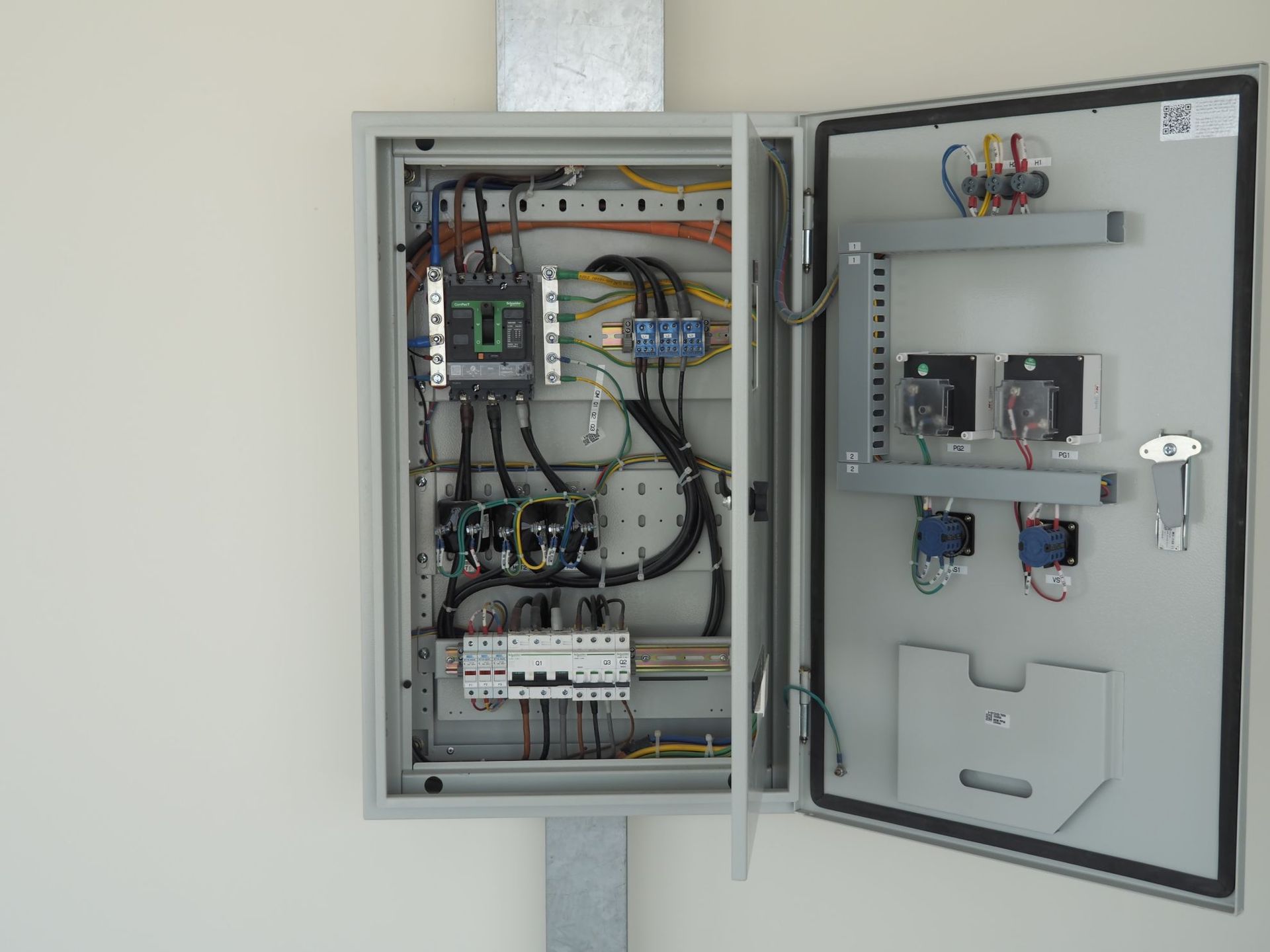
Long Island storm systems regularly interrupt utility power for hours or days, leaving homes without refrigeration, heating, or well pump operation during critical periods. Transfer switch installation by Kraken Electric, LLC creates a code-compliant connection between your generator and home electrical system, preventing backfeed into utility lines while allowing selected circuits to receive generator power during outages. The transfer switch physically isolates your home from the grid when the generator operates, eliminating the risk of energizing downed power lines that could injure utility workers restoring service in Center Moriches.
Installation involves mounting the transfer switch near the main panel, running a dedicated circuit from the switch to an exterior generator inlet box, and connecting essential circuits to the transfer switch so they receive power when the generator runs. You select which circuits require backup power based on household priorities, with common choices including refrigerators, sump pumps, heating systems, and a few lighting circuits.
Request a generator hookup estimate that includes load calculations showing which circuits your generator can support simultaneously.
How Transfer Switches Integrate Generators Safely
Transfer switches function as a controlled gateway between two power sources, mechanically preventing both from feeding the panel simultaneously. Manual transfer switches require you to flip breakers or throw a lever when starting the generator, while automatic models detect utility power loss and switch to generator power without manual intervention. The switch is sized based on generator output and the number of circuits receiving backup power, with larger switches supporting whole-home backup and smaller models serving only essential loads.
Once installed, your generator connects through a weatherproof inlet rather than extension cords running through windows or doors, and selected circuits restore power within minutes of starting the generator during outages. Food remains preserved in refrigerators and freezers, sump pumps continue protecting basements from flooding, and heating systems operate during winter power losses without requiring alternative heat sources. The transfer switch prevents generator power from flowing backward into utility lines, protecting both your equipment and utility workers.
Transfer switch installations also include proper generator grounding and bonding, inlet box placement that keeps connections accessible but protected from weather, and circuit labels showing which breakers receive backup power. Generators themselves are not included in electrical service but must be appropriately sized for the loads the transfer switch will carry.
Common Questions Before Installing Backup Power
Homeowners considering generator hookups often need clarity on sizing requirements, circuit selection, and how transfer switches prevent the hazards associated with improper generator connections.
What size generator is required to support essential household circuits?
Load calculations total the running wattage of appliances and systems you want powered simultaneously, with the generator sized at least twenty percent above that total to handle startup surges from motors and compressors.
How does a transfer switch prevent backfeeding into utility lines?
The switch mechanically interlocks the utility and generator feeds, making it physically impossible for both to connect to the panel simultaneously, which ensures generator power remains isolated within your home.
When does it make sense to install an automatic versus manual transfer switch?
Automatic switches benefit homeowners who travel frequently or want backup power to activate without manual intervention, while manual switches cost less and provide adequate function for those present to start the generator during outages.
Why can't generators be connected directly to the panel without a transfer switch?
Direct connections bypass the interlock that prevents backfeed, allowing generator power to energize utility lines outside your home and creating severe shock hazards for anyone contacting those lines during restoration work.
How do coastal conditions in Center Moriches affect generator and transfer switch installations?
Salt air accelerates corrosion on outdoor electrical components, requiring inlet boxes and generator connection points to include corrosion-resistant materials and weatherproof seals that prevent moisture intrusion.
Kraken Electric, LLC provides load calculations, transfer switch recommendations, and installation plans that show exactly which circuits will receive generator power during outages. Contact us to schedule a consultation that evaluates your backup power needs and explains the equipment required for safe, code-compliant generator integration with your home electrical system.